

Philosophical Wonder Prompts
Unlock your child’s curiosity with our guided journal, designed to inspire deep thinking and creativity. Each weekly theme encourages reflection and imagination without pressure, fostering independent reasoning and a love for learning.
Across thirteen weeks, children explore age-appropriate questions drawn from core areas of philosophy, including:
– epistemology (truth, belief, and knowledge)
– philosophy of mind (thoughts, awareness, and inner life)
– personal identity (the self over time)
– ethics and virtue
– free will and responsibility
– metaphysics (order, patterns, and meaning)
– the transcendentals (beauty, truth, goodness, and unity)
– teleology (purpose, work, and contribution)
– and formation—who we are becoming over time
Each week centers on one “big question,” and each day approaches it through a thoughtful rhythm:
1. wondering, 2. reflecting, 3. reasoning, 4. imagining, 5. deciding, 6. explaining, and 7. integrating ideas through expression or reflection.
About Philosophical Wonder Prompts for Kids
Philosophical Wonder Prompts for Kids is a 90-day guided journal designed to help children slow down, think deeply, and grow confident expressing their ideas through writing. Rather than focusing on quick answers or performance-based writing, this journal invites children to consider big questions. Inside you’ll find 90 prompts based in classical philosophy.
Children are naturally curious. They wonder about the world, about themselves, and about what matters. This journal was created to give them a place to wonder about those deep questions.
The daily prompts invite children to wonder, reflect, reason, imagine, and respond–helping them engage with ideas before rushing to answers while building confidence in their thinking, and echoing the classical approaches to learning through inquiry and narration.
13 Weekly Big Theme Ideas
Each week explores a traditional philosophical theme drawn from areas such as philosophy of mind, ethics, metaphysics, virtue, the transcendentals, teleology, and formation–including identity, truth, choice, courage, happiness, ethics, meaning, and becoming.
Rooted in Classical Habits of Mind
This journal reflects classical educational principles, forming articulation skills that naturally support later work in composition, discussion, logic, and rhetoric. Each prompt invites children to respond in a different way through written narration, including wondering, reflecting, reasoning, imagining, deciding, defending ideas, and clearly expressing and integrating ideas. This work is based from college-level philosophical principles, written in a digestible, child-friendly manner.
What Makes Wonder Writing Prompts Journals Different
Rather than focusing on correct answers, Wonder Prompts writing prompts help children grow their natural wonder, reflection, reasoning, imagination, and expression of ideas with clarity and care.
Through writing, drawing, and reflection, children learn to stay with big ideas long enough to understand them and form a response.
In about ten minutes per day, children explore age-appropriate questions through written response that are drawn from core areas of philosophy, including:
• Epistemology (truth, belief, and knowledge)
• Philosophy of mind (thoughts, awareness, and inner life)
• Personal identity (the self over time)
• Ethics and virtue
• Free will and responsibility
• Metaphysics (order, patterns, and meaning)
• The transcendentals (beauty, truth, goodness, and unity)
• Teleology (purpose, work, and contribution)
• Formation (who we are becoming over time)
Each week centers on one “big theme,” and each day approaches it through a thoughtful pattern:
wondering, reflecting, reasoning, imagining, deciding, explaining, and integrating ideas through expression or reflection.
Why Parents and Educators Value Philosophical Wonder Prompts
This structure is inspired by classical education practices, including the practice of written narration—responding to ideas in one’s own words rather than memorizing information. Over time, this gentle, consistent practice helps children grow more comfortable thinking on paper, considering multiple perspectives, and expressing what they believe with confidence and clarity.
The Wonder Prompts writing prompts are intentionally open-ended and adaptable. Younger children may draw or dictate responses, while older children may write more fully or revisit ideas as their thinking develops. There is no expectation of polished answers. Growth comes through practice, not performance. These writing prompt are adaptable across elementary through high school students, with parent or teacher support for the younger grades, while older children may find that they enjoy journaling independently.
Whether used as a summer writing refresher, alongside a classical or homeschool curriculum, or as a shared philosophical discussion tool, Philosophical Wonder Prompts for Kids offers children a gentle introduction to philosophical ideas—and to begin developing the habits of thoughtful, independent thinking that last a lifetime.
Available in keepsake-quality hardback or as a large, child-friendly sized softcover journal.
Also available as an instant download (individual or classroom license).
If you need a bulk physical order for your group or classroom, please contact us for discount pricing options.
Discover Philosophical Wonder Prompts
Engage children with weekly guided prompts that encourage deep thinking, imagination, and reflection without the pressure of right answers.
Daily Thought-Provoking Themes
Each day presents new philosophical questions to spark curiosity and dialogue.

Flexible Formats
Available as physical journals and digital downloads for versatile learning environments.
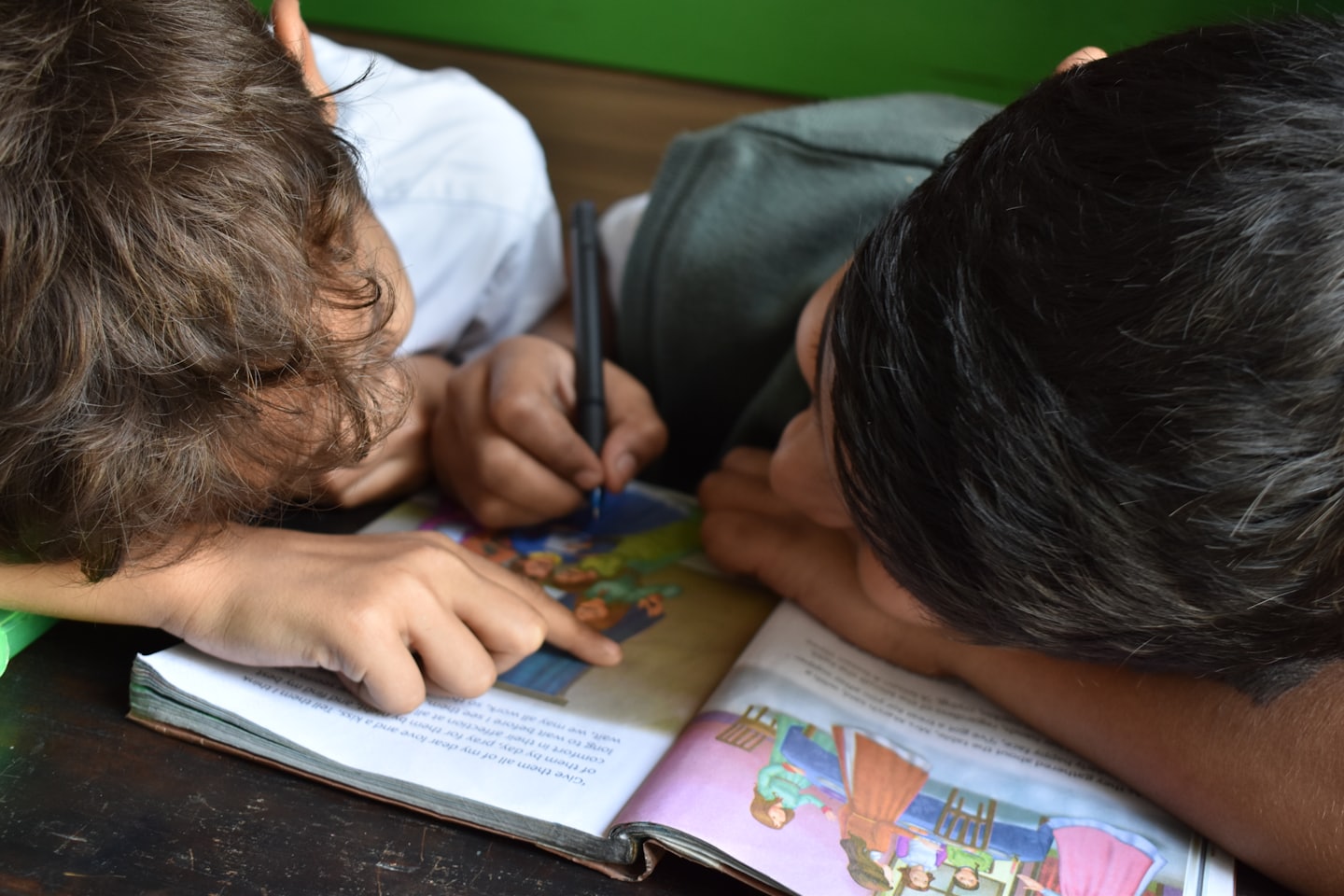
Designed for Ages 8–15
Tailored journal prompts support independent and group exploration in educational settings.

“Philosophical WonderPrompts for Kids has inspired my kids to explore big ideas with curiosity and confidence—truly exceptional guidance.”

Katie S.
Educator


About Philosophical Wonder Prompts for Kids
Philosophical Wonder Prompts for Kids is a 90-day guided journal designed to help children slow down, think deeply, and grow confident expressing their ideas through writing. Rather than focusing on quick answers or performance-based writing, this journal invites children to consider big questions. Inside you’ll find 90 prompts based in classical philosophy.
Children are naturally curious. They wonder about the world, about themselves, and about what matters. This journal was created to give them a place to wonder about those deep questions.
The daily prompts invite children to wonder, reflect, reason, imagine, and respond–helping them engage with ideas before rushing to answers while building confidence in their thinking, and echoing the classical approaches to learning through inquiry and narration.
13 Weekly Big Theme Ideas
Each week explores a traditional philosophical theme drawn from areas such as philosophy of mind, ethics, metaphysics, virtue, the transcendentals, teleology, and formation–including identity, truth, choice, courage, happiness, ethics, meaning, and becoming.
Rooted in Classical Habits of Mind
This journal reflects classical educational principles, forming articulation skills that naturally support later work in composition, discussion, logic, and rhetoric. Each prompt invites children to respond in a different way through written narration, including wondering, reflecting, reasoning, imagining, deciding, defending ideas, and clearly expressing and integrating ideas. This work is based from college-level philosophical principles, written in a digestible, child-friendly manner.
What Makes Wonder Writing Prompts Journals Different
Rather than focusing on correct answers, Wonder Prompts writing prompts help children grow their natural wonder, reflection, reasoning, imagination, and expression of ideas with clarity and care.
Through writing, drawing, and reflection, children learn to stay with big ideas long enough to understand them and form a response.
In about ten minutes per day, children explore age-appropriate questions through written response that are drawn from core areas of philosophy, including:
• Epistemology (truth, belief, and knowledge)
• Philosophy of mind (thoughts, awareness, and inner life)
• Personal identity (the self over time)
• Ethics and virtue
• Free will and responsibility
• Metaphysics (order, patterns, and meaning)
• The transcendentals (beauty, truth, goodness, and unity)
• Teleology (purpose, work, and contribution)
• Formation (who we are becoming over time)
Each week centers on one “big theme,” and each day approaches it through a thoughtful pattern:
wondering, reflecting, reasoning, imagining, deciding, explaining, and integrating ideas through expression or reflection.
Why Parents and Educators Value Philosophical Wonder Prompts
This structure is inspired by classical education practices, including the practice of written narration—responding to ideas in one’s own words rather than memorizing information. Over time, this gentle, consistent practice helps children grow more comfortable thinking on paper, considering multiple perspectives, and expressing what they believe with confidence and clarity.
The Wonder Prompts writing prompts are intentionally open-ended and adaptable. Younger children may draw or dictate responses, while older children may write more fully or revisit ideas as their thinking develops. There is no expectation of polished answers. Growth comes through practice, not performance. These writing prompt are adaptable across elementary through high school students, with parent or teacher support for the younger grades, while older children may find that they enjoy journaling independently.
Whether used as a summer writing refresher, alongside a classical or homeschool curriculum, or as a shared philosophical discussion tool, Philosophical Wonder Prompts for Kids offers children a gentle introduction to philosophical ideas—and to begin developing the habits of thoughtful, independent thinking that last a lifetime.
Discover the Journey
Explore how children engage weekly with thought-provoking themes, encouraging deep reflection and creative reasoning.

Step One: Spark Curiosity
Begin by introducing children to open-ended questions that invite wonder and personal exploration, setting the tone for meaningful inquiry.

Step Two: Reflect and Imagine
Children delve into activities designed to inspire imaginative thinking and thoughtful responses, nurturing their philosophical growth.

Step Three: Share and Grow
Encourage sharing insights to build confidence and deepen understanding, transforming individual thoughts into collective wisdom.
Begin Your Journey of Wonder and Thought Now
Dive into our guided journal to inspire young minds to explore big questions, nurture critical thinking, and discover their own unique perspectives. Join the adventure in philosophical thinking today.
